And so one thing would never be the other again
2017
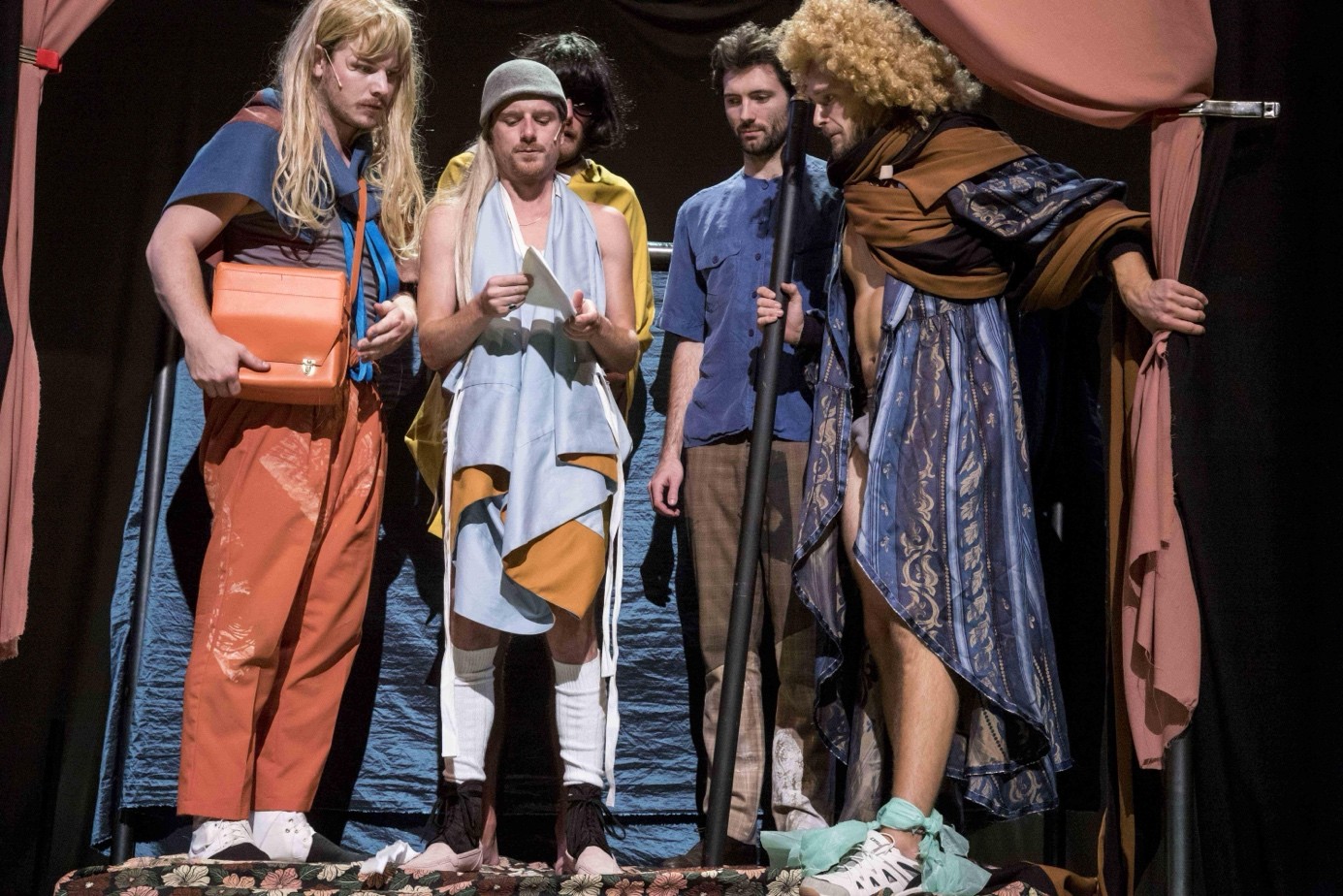
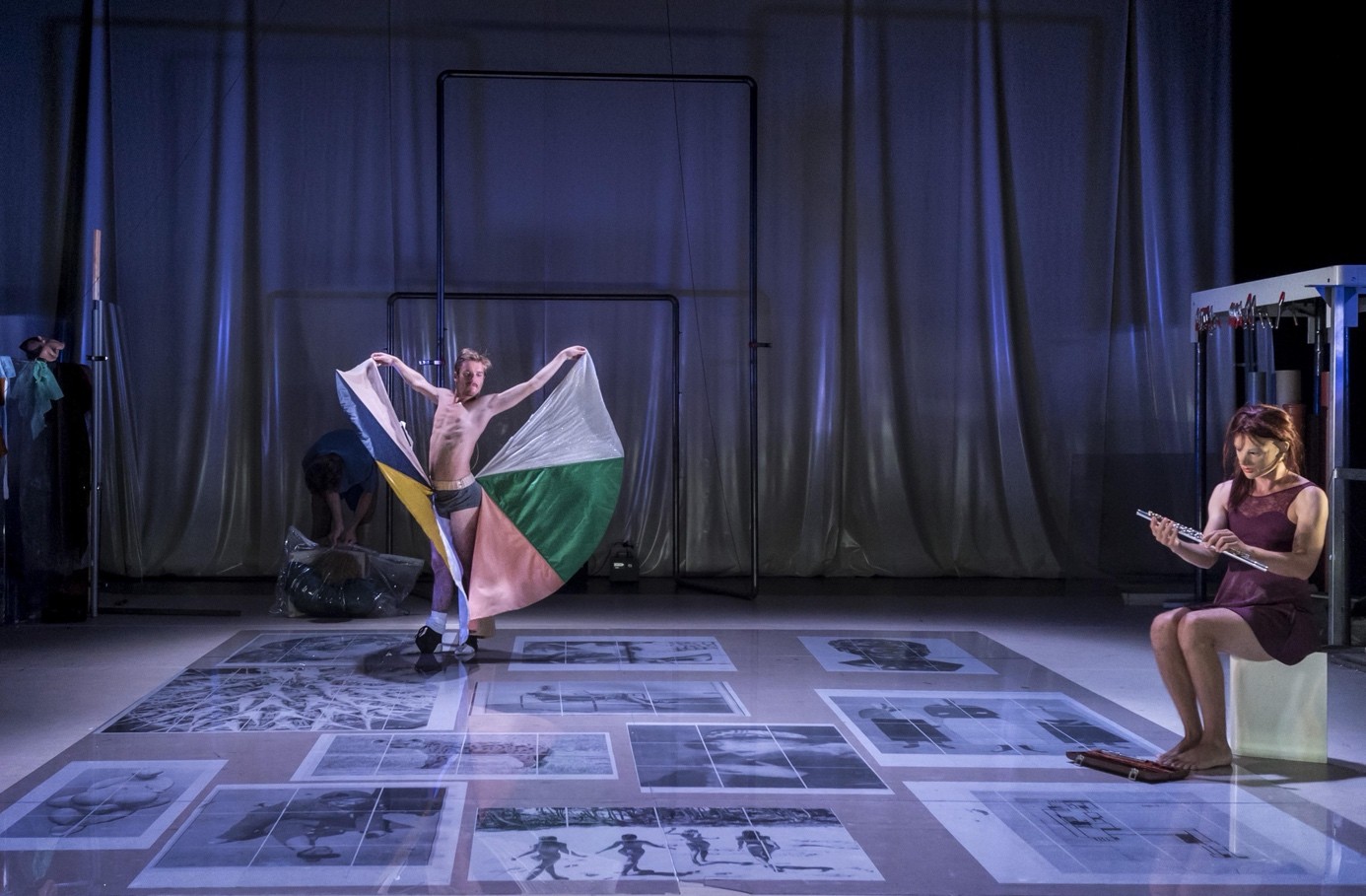
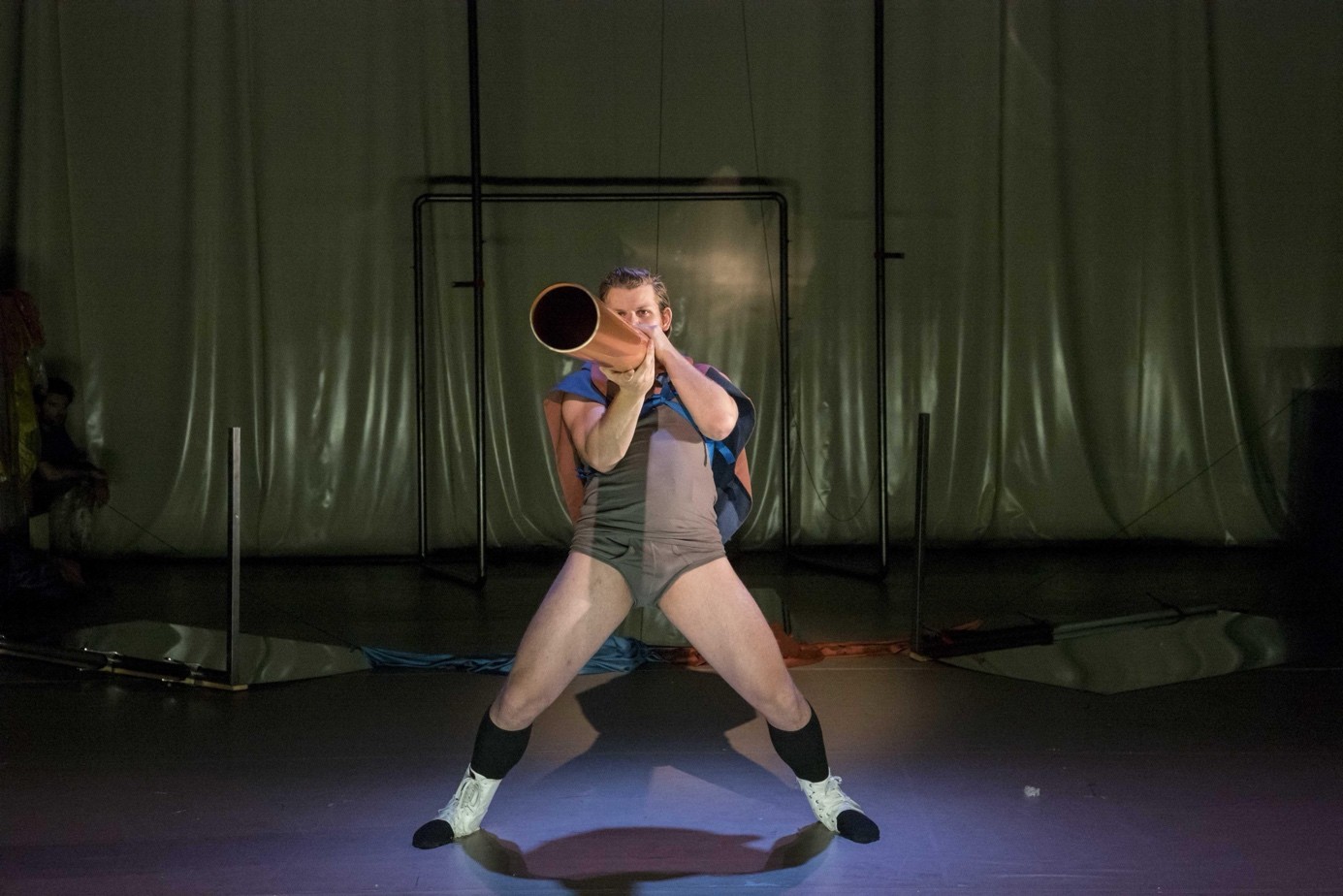
King Amorius, disillusioned by love, seeks solace in a casual fling—the starting point for a pastiche that mocks men and their perception of women. But at the end of the first act, the audience intervenes: in a letter, the actors are called to account for the play’s cliché-ridden and sexist tone, followed by a series of suggestions for a better continuation. The performers take up those suggestions, but the show derails again and again. In the second act, a Hamlet parody emerges in which Prince Amorius wrestles with his own masculinity, followed by a third act where even the arrival of God and the Primordial Mother cannot turn the tide. Apparently, it is impossible to reach a substantively satisfying conclusion within the old narrative forms. In the fourth act, all irony is cast aside. Four voices give expression to the consciousness of a single man in a cacophony of self-reproach and frustration—the man bids farewell to himself, and to everything with which he had always separated one thing from the other.
And so one thing would never be the other again was commissioned by Orkater and formed the basis for the production De Vrouw by Lars Doberman, which premiered on September 14, 2018. The text was selected for Verse Tekst (Fresh Text) in 2020. In 2021, students from the Amsterdam Theatre School & Kleinkunstacademie performed the piece, directed by Maria Kraakman.
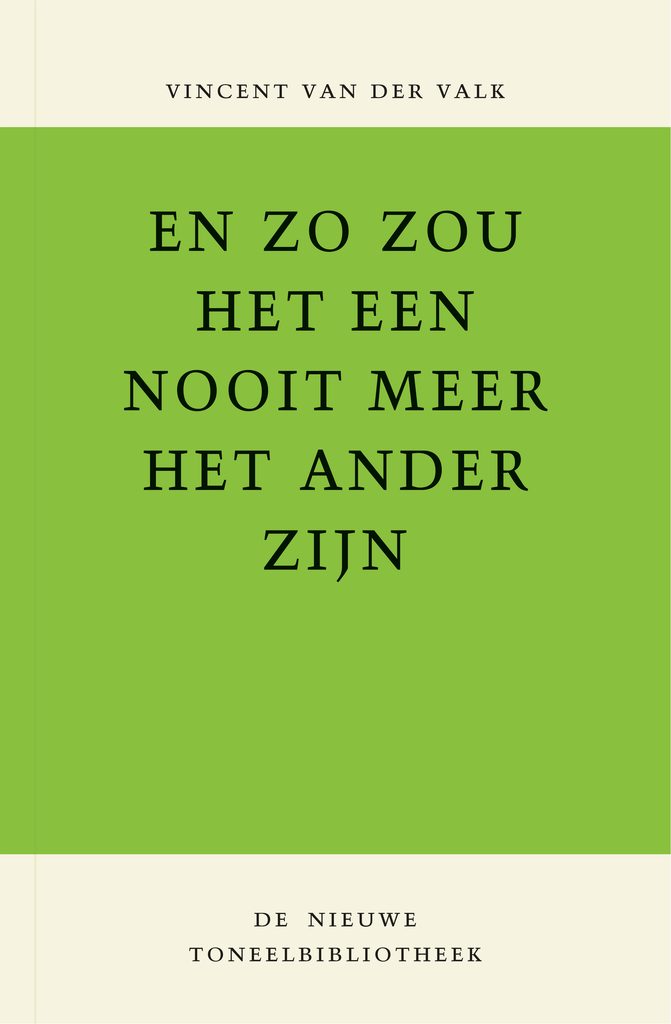
Order And so one thing would never be the other again via De Nieuwe Toneelbibliotheek